
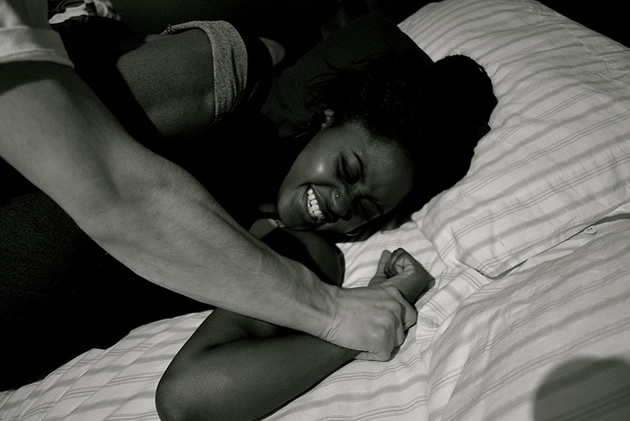
#iPledge #WeAreTired #IBelieveHer #EnoughIsEnough #WeBelieveSurvivors
The global sexual violence epidemic keeps rising and the force of justice is silent. In recent times, there has been an outrage on social media and communities demanding justice for several rape cases neglected by authorities. The campaigns ended and nothing significant happened, but the victims involved either lost their lives or survived. But what happens to the survivors?
Sexual assault is one of the worst experiences to happen to any individual which sometimes leads to death. The aftermath of rape and sexual violence on the victim are often crucial and not given the necessary attention. What does the victim go through and how can we help? Shockingly, sexual abuse is very common in our society and cut across gender, age, race and socioeconomic status. Women constitutes majority of sexual assault cases. Most women delay in reporting the incidence or keep quiet about it forever due to many reasons. They either blame themselves, think no one will believe them, the stigma attached and the fear of being attacked again. In most cases when women report a sexual assault issue, she is either being ignored and not believed by the family, friends and/or the police. It’s disheartening to see offenders are left to walk around free without being penalized.
The victims of sexual assault suffer physically, psychologically and sociologically. The trauma of being raped or sexually assaulted can be shattering, leaving you feeling scared, ashamed, and alone or plagued by nightmares, flashbacks, and other unpleasant memories. The world doesn’t feel like a safe place anymore. You no longer trust others. You don’t even trust yourself. Your sanity, self-worth, self-esteem and judgement are all shattered. Most victims/survivors suffer from anxiety, depression, and post-traumatic stress disorder. Most victims usually ask themselves the following questions:
- What should I do now?
- Who should I talk to?
- Is anyone going to believe me?
- Is this all my fault?
- Will the offender come after me if I report? And many more….
What is a Sexual Assault?
According to WebMD, Sexual assault is any type of sexual activity that you do not agree to, including:
- inappropriate touching
- vaginal, anal, or oral penetration
- sexual intercourse that you say no to
- rape
- attempted rape
- child molestation
Sexual assault can happen in different situations by a stranger in an isolated place, on a date, or in the home by someone you know. For instance, Examples of this are voyeurism (when someone watches private sexual acts), exhibitionism (when someone exposes him/herself in public), incest (sexual contact between family members), and sexual harassment.
Common Physical Effects of Sexual Assault
- Soreness
- Bruising
- Bleeding (vaginal/anal)
- Sexually transmitted infections and diseases
- Pregnancy
- Broken or dislocated bones
- Death
Common Mental Effects of Sexual Assault
- Depression (sadness, feelings of hopelessness)
- Post-traumatic stress disorder (PTSD)
- Suicidal thoughts or attempts
- Isolation and dissociation
Common Emotional Effects of Sexual Assault
- Anger and blame
- Loss of trust in others
- Shock
- Numbness
- Loss of control
- Sense of vulnerability
- Fear
Other health impacts include involuntary shaking, muscle tension, sexual dysfunction, chronic fatigue, shortness of breath, changes in eating and sleeping patterns, drug and/or alcohol abuse.
The traumatic experience of sexual abuse can be difficult and bring up feeling of helplessness and self-blame, depending on the support one gets, and the coping mechanisms adopted. The recovery process can be intimidating, stressful and affect the victim their entire life.
Strategies to recover from a sexual assault (Help Guide)
- Speak up about the incidence. You may feel uncomfortable with the stigma and difficult to accept, but you don’t need to be silent and seek help. Reach out to someone who is supportive, empathetic and won’t criticize you. You can talk to a therapist or find sexual violence hotline in your community. Develop a coping strategy like volunteering and indulge in social activities. You can also join a support group on your community or online.
- Acknowledge your sense of guilt and the truth of what happened. Don’t judge yourself and feel shame, the rapist is solely responsible for what happened. It is not about how your look, age, beauty or circumstances at that time.
- Prepare for triggers and flashbacks. Your body may react and bring back upsetting memories which may develop into post-traumatic stress disorder. If you notice any body danger signals like panic, shortness of breath, dizziness, take immediate steps to calm down.
- Find ways to reconnect to your body and feelings. You may feel disconnected emotionally and feel a living dead. When feeling numb and getting attached to negative habits, you need to adapt techniques to feel safe and confident. Try practicing mindful meditation and relaxation, massage therapy and distractive activities.
- Stay connected and accept support. You may feel isolated and avoid intimacy after a sexual assault. It is important to refresh and be involved in social activities, reconnect with family, friends and loved ones.
- Nurture yourself. The healing process will be gradual but don’t give up on yourself. Take care of yourself by embracing healthy lifestyles.
Helping someone to recover from a sexual violence
- Be empathetic and show love to them.
- Give them the chance to open up at their own pace
- Encourage them to seek professional help and be patient.
- You need to be strong yourself to help them.
Stories of sexual violence
Uwa, a 22-year-old microbiology student, sought the quiet of her empty church in Benin City, southern Nigeria, as a place to study. Hours later she was raped and killed in a crime that has sparked outrage across Nigeria. #JusticeforUwa
18-year old Barakat Bellow was raped and murdered at her home #JusticeforBarakat
A 12-year-old girl, Farishina who is one of 8 children was raped by 11 men. #FreshStartForFarishina
Aurelia, 13-year-old was raped by her church pastor. She didn’t know what to do, she was told not to inform anyone to avoid any disgrace. She had no support and had to deal with the pain alone.
Helena, a 17-year-old high school student was raped by her uncle. The uncle made several promises to cater for her school fees and the siblings. Her family members didn’t believe her. She later informed her teacher who also took advantage of her.
Initiatives That Advocate Justice And Support Sexual Violence Victims
National Alliance to End Sexual Violence (NAESV)
National Sexual Violence Resource Center (NSVRC)
End Rape On Campus(EROC)
Find your Local Domestic Violence Shelters
Rape is real and rising, let’s continue to raise our voices. There’s hope!!!
 The Feminist Health CIC